Vienna Travel Tips 2026: First-Time Visitor Guide
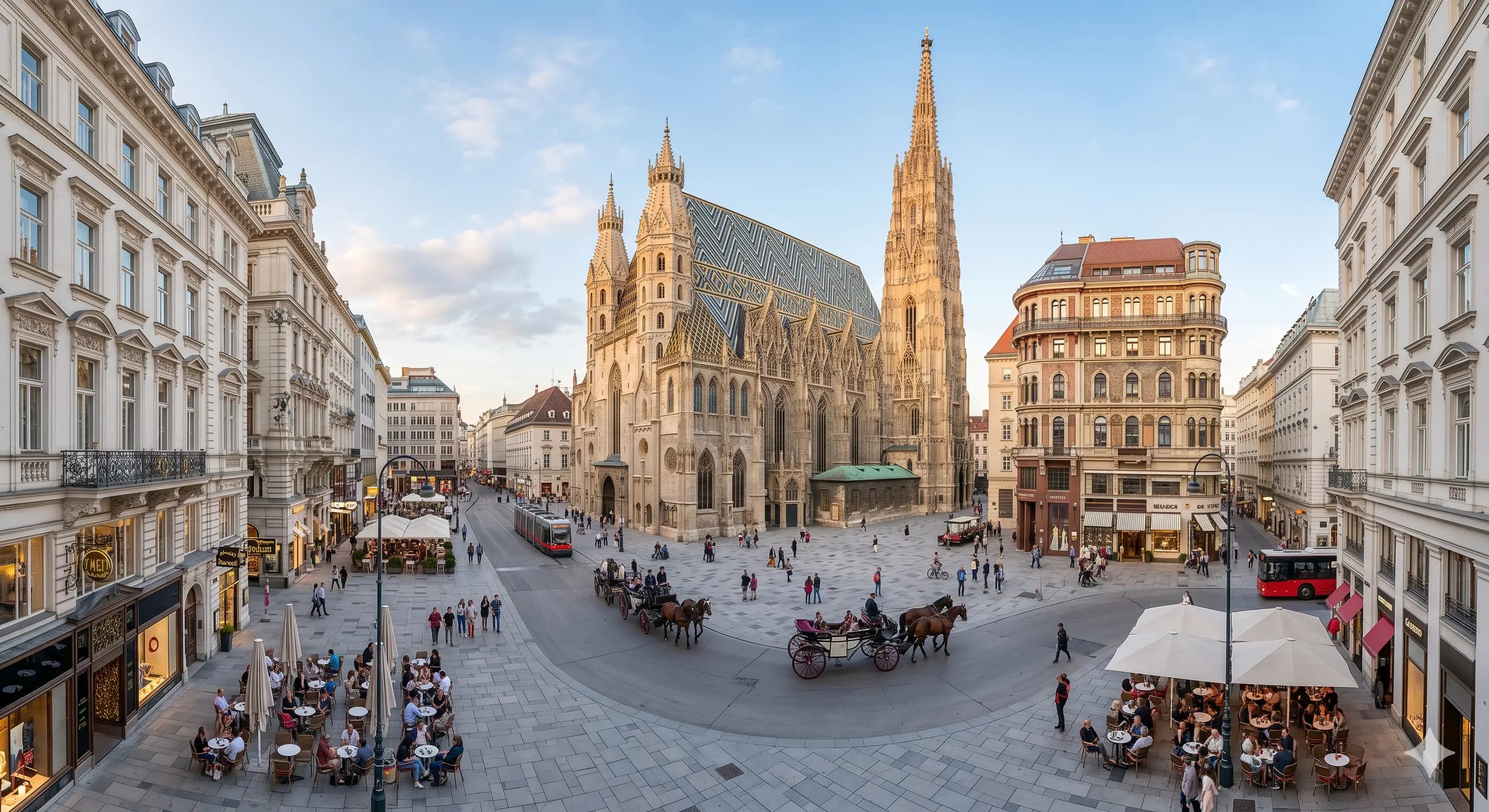
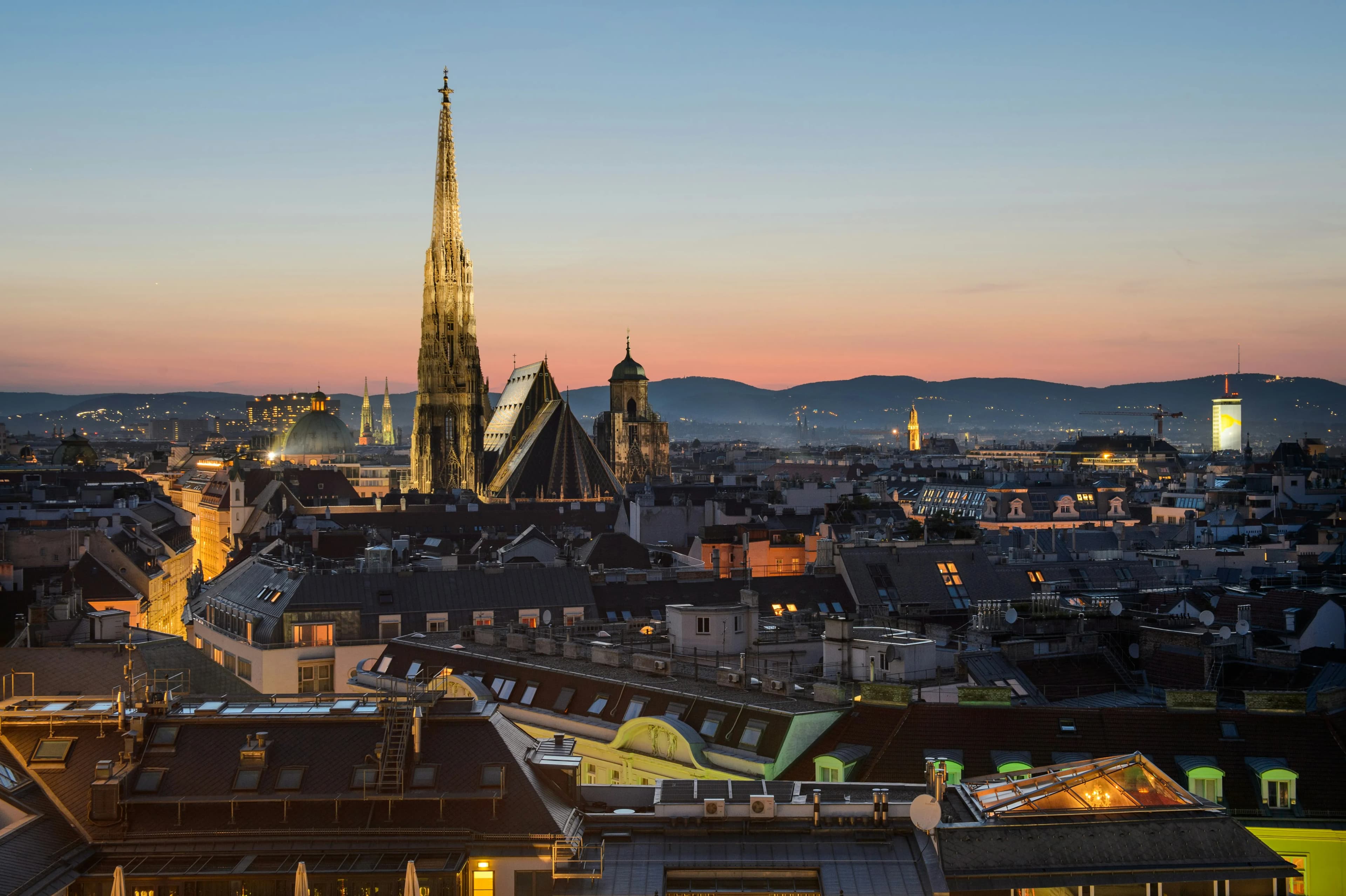
Vienna consistently ranks among the world's most livable cities, and for good reason. The Austrian capital blends imperial grandeur with modern flair, offering visitors world-class museums, stunning architecture, legendary coffee culture, and a public transport system that puts most cities to shame. If you're planning your first trip to Vienna, this comprehensive guide will help you navigate the city like a seasoned local.
Getting from the Airport to the City
Your Vienna experience begins the moment you land at Vienna International Airport (VIE), located about 18 kilometers southeast of the city center. How you handle this first journey sets the tone for your entire trip.
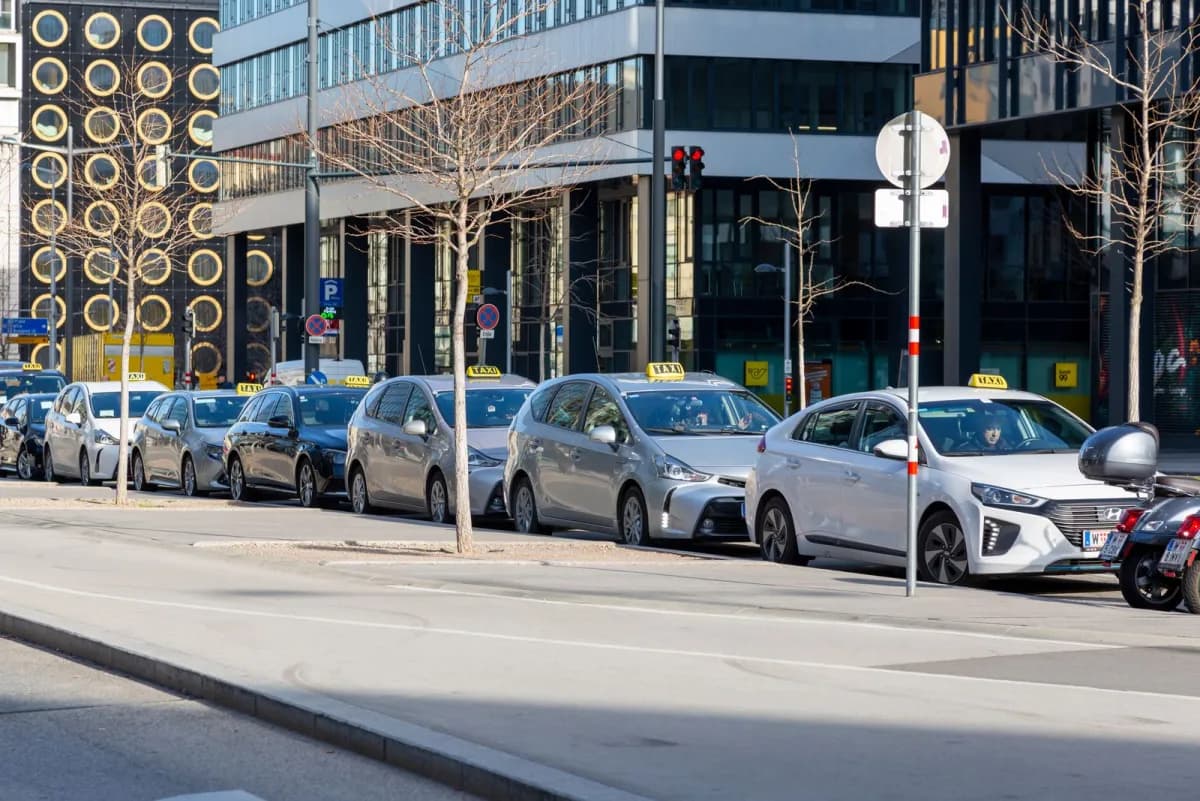
The most convenient option is a private airport transfer. Unlike public transport, where you'll need to figure out tickets, platforms, and connections while jet-lagged and carrying luggage, a private transfer means a professional driver meets you at arrivals and takes you directly to your hotel or accommodation. The journey takes approximately 20–30 minutes depending on traffic.
Other options include the City Airport Train (CAT), which runs every 30 minutes to Wien Mitte station, and the cheaper but slower S-Bahn S7 regional train. Both require additional connections to reach most hotels. If you value comfort and convenience after a flight, book a private airport transfer and start your trip stress-free.
Best Time to Visit Vienna in 2026
Vienna is a year-round destination, with each season offering a unique experience:
- Spring (April–May): Mild temperatures, blooming gardens at Schönbrunn and Belvedere, and fewer crowds than summer. The city's parks come alive with color.
- Summer (June–August): Warm weather perfect for outdoor dining and exploring. Expect temperatures around 25–30°C. The Danube Island and outdoor pools are popular escapes.
- Autumn (September–October): Wine harvest season and beautiful fall foliage. The famous Viennese wine taverns (Heurige) are at their best. Crisp weather is ideal for walking tours.
- Winter (November–March): Vienna's magical Christmas markets (Christkindlmärkte) transform the city from mid-November. The Opera Ball season runs from January to February. Expect cold temperatures but a cozy, festive atmosphere.
Money and Payment Tips
Austria uses the Euro (€). Here's what you need to know about spending in Vienna:
- Cash is king: While credit cards are increasingly accepted, many traditional Viennese establishments — especially smaller cafés, Heurige, and market stalls — still prefer cash. Always carry some euros with you.
- ATMs (Bankomaten): Widely available throughout the city. Use ATMs from reputable banks (Erste Bank, Raiffeisen, Bank Austria) to avoid high fees. Avoid standalone ATMs in tourist areas that charge excessive withdrawal fees.
- Tipping: Tipping is customary but modest. Round up the bill or add 5–10% in restaurants. For taxi drivers, rounding up to the nearest euro or adding a small tip is appreciated. In coffeehouses, leaving small change on the table is standard.
- Tourist traps: Be cautious of currency exchange offices near major attractions — they often offer poor rates. Your bank card will almost always give you a better exchange rate.
Getting Around Vienna
Vienna's public transportation system is excellent and affordable, operated by Wiener Linien:
- U-Bahn (Metro): Five lines covering the city efficiently. Runs from approximately 5:00 AM to midnight on weekdays, and 24 hours on Friday and Saturday nights.
- Trams (Straßenbahn): An iconic part of Vienna's streetscape. The Ring Tram along the Ringstraße is a scenic way to see major landmarks.
- Buses: Fill gaps where metro and tram don't reach.
- Tickets: Purchase a 24-hour (€8), 48-hour (€14.10), or 72-hour (€17.10) travel pass at metro stations. A single ride costs €2.40. Always validate your ticket before boarding — plain-clothes inspectors frequently check, and fines are steep (€105).
- Vienna City Card: Combines unlimited public transport with discounts at museums and restaurants. Worth considering for stays of 2+ days.
For airport transfers and trips outside the city (like day trips to the Wachau Valley or Bratislava), a private transfer service is the most comfortable option, especially with luggage. See our Vienna Airport to city center guide for a full breakdown of every arrival option.
Viennese Coffee Culture — A Way of Life
The Viennese coffeehouse is a UNESCO Intangible Cultural Heritage, and experiencing it is non-negotiable for first-time visitors. Here are the essentials:
- Take your time: Unlike modern grab-and-go coffee shops, Viennese coffeehouses are places to linger. Order a coffee and a pastry, read a newspaper, and soak in the atmosphere. Nobody will rush you.
- Know your coffee: A Melange is Vienna's answer to a cappuccino. An Einspänner is espresso with whipped cream in a glass. A Verlängerter is a milder, longer coffee. Avoid ordering just a "coffee" — be specific.
- Legendary coffeehouses: Café Central (historic, touristy but stunning), Café Sperl (authentic local favorite), Café Hawelka (bohemian institution), and Café Landtmann (elegant, near the Burgtheater).
- Water is free: Every coffee in Vienna is served with a glass of water on a silver tray — it's tradition, not an extra charge.
Local Customs and Etiquette
Understanding a few local customs will make your visit smoother:
- Greetings: Say "Grüß Gott" (God greet you) instead of "Hallo" — it's the standard greeting in Austria and shows respect for local culture.
- Quiet hours: Austria takes noise regulations seriously. Avoid loud noise between 10:00 PM and 6:00 AM, and especially on Sundays when most shops are closed and the city is quiet.
- Sunday closures: Almost all shops are closed on Sundays. Plan your shopping for weekdays or Saturdays. Restaurants, cafés, museums, and attractions remain open.
- Queuing: Austrians respect orderly queues. Cutting in line is considered very rude.
- Smoking: Smoking is banned in all indoor public spaces, including restaurants and bars, since 2019. Outdoor terraces often have designated smoking areas.
Must-Try Viennese Food
No first visit to Vienna is complete without sampling the local cuisine:
- Wiener Schnitzel: The iconic breaded veal cutlet, pounded thin and fried golden. Order it at Figlmüller (tourist favorite) or Gasthaus Pöschl for a more local experience. Always made with veal — if it's pork, it's called Schnitzel Wiener Art.
- Sachertorte: The legendary chocolate cake with apricot jam, best enjoyed at the Hotel Sacher (the original) or Café Demel (the rival).
- Apfelstrudel: Thin, flaky pastry filled with spiced apples. Try it warm with vanilla sauce at Café Residenz in Schönbrunn.
- Tafelspitz: Boiled beef with horseradish and apple sauce — Emperor Franz Joseph's favorite dish. Plachutta is the definitive restaurant for this.
- Naschmarkt: Vienna's famous outdoor market with over 120 stalls selling fresh produce, spices, cheeses, and international foods. Perfect for a lunch stroll (open Monday–Saturday).
Safety and Practical Tips
Vienna is one of the safest major cities in Europe, but standard travel precautions apply:
- Pickpockets: Be vigilant around tourist hotspots like Stephansplatz, the U-Bahn, and busy markets. Keep valuables in front pockets or a secure bag.
- Emergency number: 112 (EU-wide emergency) or 133 (Austrian police).
- Water: Vienna's tap water comes directly from Alpine springs and is excellent — no need to buy bottled water.
- Pharmacy (Apotheke): Look for the green cross sign. At least one pharmacy in each district operates on a night/weekend rotation.
- Language: German is the official language, but English is widely spoken in tourist areas, hotels, and restaurants. Learning a few German phrases is always appreciated.
- Electrical outlets: Austria uses Type F plugs (round pins, 230V). Bring an adapter if you're traveling from the UK, US, or Australia.
Money-Saving Tips
Vienna can be surprisingly affordable if you know the tricks:
- Free museum days: Many museums offer free entry on specific days or for visitors under 19. The first Sunday of the month sees free admission at several institutions.
- Heurige over restaurants: For an authentic and affordable dining experience, visit a traditional wine tavern in districts like Grinzing or Stammersdorf. You'll enjoy local wine, cold buffets, and charming garden settings at a fraction of restaurant prices.
- Brunnenmarkt: If the Naschmarkt feels touristy, head to Brunnenmarkt in the 16th district — Vienna's longest street market with more local flair and lower prices.
- Free walking tours: Several companies offer tip-based walking tours that are an excellent introduction to the city.
- Wien Museum: The city's own museum offers free permanent exhibition entry and is a hidden gem for understanding Vienna's history.
Planning Your Return Journey
Don't leave your airport transfer to the last minute. Many visitors underestimate the stress of getting to the airport on time, especially with luggage and during peak travel hours. A pre-booked private transfer from your hotel ensures you arrive at Vienna Airport relaxed and on schedule.
FAQ: First-Time Visitor Tips for Vienna
What should first-time visitors know before going to Vienna?
Vienna is safe, walkable, and well connected by public transport. Carry some cash for smaller cafés, validate transport tickets to avoid fines, expect Sunday shop closures, and book your airport transfer in advance. English is widely spoken, and tap water from Alpine springs is excellent.
How many days do you need in Vienna for a first visit?
Three days is ideal for a first visit, covering Schönbrunn, the historic center, a major museum, and the coffeehouse culture. Two days works if you focus on the highlights, while four or more days leaves room for a day trip to the Wachau Valley or Bratislava.
Is Vienna expensive for tourists?
Vienna is moderately priced for a Western European capital and can be affordable with a few tricks: eat at traditional Heurige wine taverns, use multi-day transport passes, visit museums on free days, and shop at local markets like Brunnenmarkt rather than tourist-area stores.
What is the best way to get from Vienna Airport to the city?
For first-time visitors with luggage, a pre-booked private transfer is the easiest option: a driver meets you at arrivals and takes you door to door for a fixed price. The CAT train and S7 are cheaper but require onward connections to reach most hotels.
Do people speak English in Vienna?
Yes. German is the official language, but English is widely spoken in hotels, restaurants, shops, and tourist areas. Learning a few phrases such as "Grüß Gott" (hello) and "Danke" (thank you) is appreciated and shows respect for local culture.
Ready to Experience Vienna?
Vienna rewards those who come prepared. With these tips in hand, you're ready to explore one of Europe's most elegant capitals. Want a checklist of sights? See the top 10 Vienna attractions. Start your trip the right way — review our fixed prices and book your airport transfer now to let a professional driver welcome you to Vienna.
Have questions about your Vienna trip? Get in touch with us — we're happy to help with transfers, day trips, and travel advice.